
l. Kilgore in Apocalypse Now, and how he was loosely based on real US officer Lt. Col. John B. Stockton.
The late actor Robert Duvall is remembered for many great roles, but none as iconic as that of Lieutenant Colonel Kilgore in Apocalypse Now.
Duvall’s scene-stealing cameo in Francis Ford Coppola’s 1979 Vietnam War epic has gone down as one of the great performances in movie history. Bare-chested, squatting on his haunches, with flames and smoke in the background, Duvall – as Kilgore – delivers the famous line: ‘I love the smell of napalm in the morning… It smells like… (long pause)… victory.’
The scene comes towards the end of a helicopter attack on a village said to be controlled by the Viet Cong. The purpose of the attack? So Kilgore can ride some waves with a famous surfer who’s heading up-country with Martin Sheen’s Captain Willard.
Willard’s eventful journey through the war zone to assassinate a Green Beret colonel gone rogue (Marlon Brando as Colonel Kurtz) is the main thrust of Apocalypse Now’s narrative, but the Kilgore scenes are the ones that really stick in the memory.
Duvall won a Golden Globe and a BAFTA as best supporting actor for the role, as well as an Academy Award nomination.
The ‘napalm’ line made such an impact on the public consciousness that it’s still regularly quoted today and has since been parodied in countless films and television shows including (but not limited to) The Chase, G-Force, Entourage, Mallrats, Dodgeball, The Shield, House MD, Alvin and the Chipmunks, Spawn, Casper, Dodgeball and SpongeBob SquarePants.
What’s less well known is that Duvall based his portrayal of Lt. Col. Kilgore on a real US officer who led a helicopter squadron during the Vietnam War.
Lieutenant Colonel John B. Stockton was commander of 1/9 Cavalry, known as ‘the Headhunters,’ part of the first wave of ‘air mobile’ forces deployed to Vietnam in 1965. He wore a black Stetson and spurs, carried his papers in leather saddlebags and even had his unit’s mascot, a mule called Maggie, smuggled into Vietnam despite a strict ‘no pets’ policy.
He also played Wagner’s Ride of the Valkyries from speakers attached to the sides of his chopper when going into action, exactly as depicted in Apocalypse Now.
Like many officers in the air cavalry, Stockton was proud to be part of a tradition going back to the blue-coated horse soldiers who fought in the Indian wars and the US Civil War in the 19th Century. However, it’s possible his style choices were more influenced by the John Ford-John Wayne trilogy of cavalry movies from 1948 to 1950 (Fort Apache, She Wore a Yellow Ribbon and Rio Grande) than by the actual experience of 19th Century cavalrymen, for whom life was tough and unforgiving.
Disappointingly, Stockton does not seem to have uttered the famous ‘napalm’ line, although it’s easy to imagine him saying it. Apocalypse Now’s screen writer, John Milius, says the line came to him when he was working on the script.
In 2005 the American Film Institute, during its celebration of 100 years of Hollywood, compiled a ranking of the 100 greatest movie quotes of all time. The ‘napalm’ line came in at number 12. Number one, to save you looking it up, was Rhett Butler telling Scarlett O’Hara: ‘Frankly my dear, I don’t give a damn,’ in Gone with the Wind (1939).
Stockton’s army career ended in controversial circumstances. He took part in the Battle of Ia Drang in late 1965, the first major battle between US forces and the North Vietnamese army. During one intense period of fighting he learnt that a unit of US infantrymen was cut off and was about to be overrun and annihilated. Stockton requested permission to reinforce the position by helicopter, his Assistant Division Commander refused.
After weighing up his options Stockton decided he couldn’t live with himself if he abandoned the pinned-down troops to their fate and sent in the reinforcements anyway. For disobeying a direct order, he was relieved of his command, although he earned the undying love and gratitude of the men he saved and is favourably remembered by the soldiers who served under him.
He retained his rank but played no further part in the war in Southeast Asia. There is no record of him ever having commented publicly on the suggestion that he was the inspiration for Duvall’s Lt. Col. Kilgore, although anecdotally he is said to have found the portrayal amusing. One final question remains: did anyone really love the smell of napalm in the morning (or at any time of day or night)? It seems unlikely. The name comes from two of the gelling elements used to adhere the gasoline or diesel fuel to the intended target, usually a treeline – naphthenic acid and palmitic acid. Veterans report napalm had an unpleasant odour of burning gasoline and plastic, but when they were in a tight spot they certainly appreciated its devastating effect on the enemy.
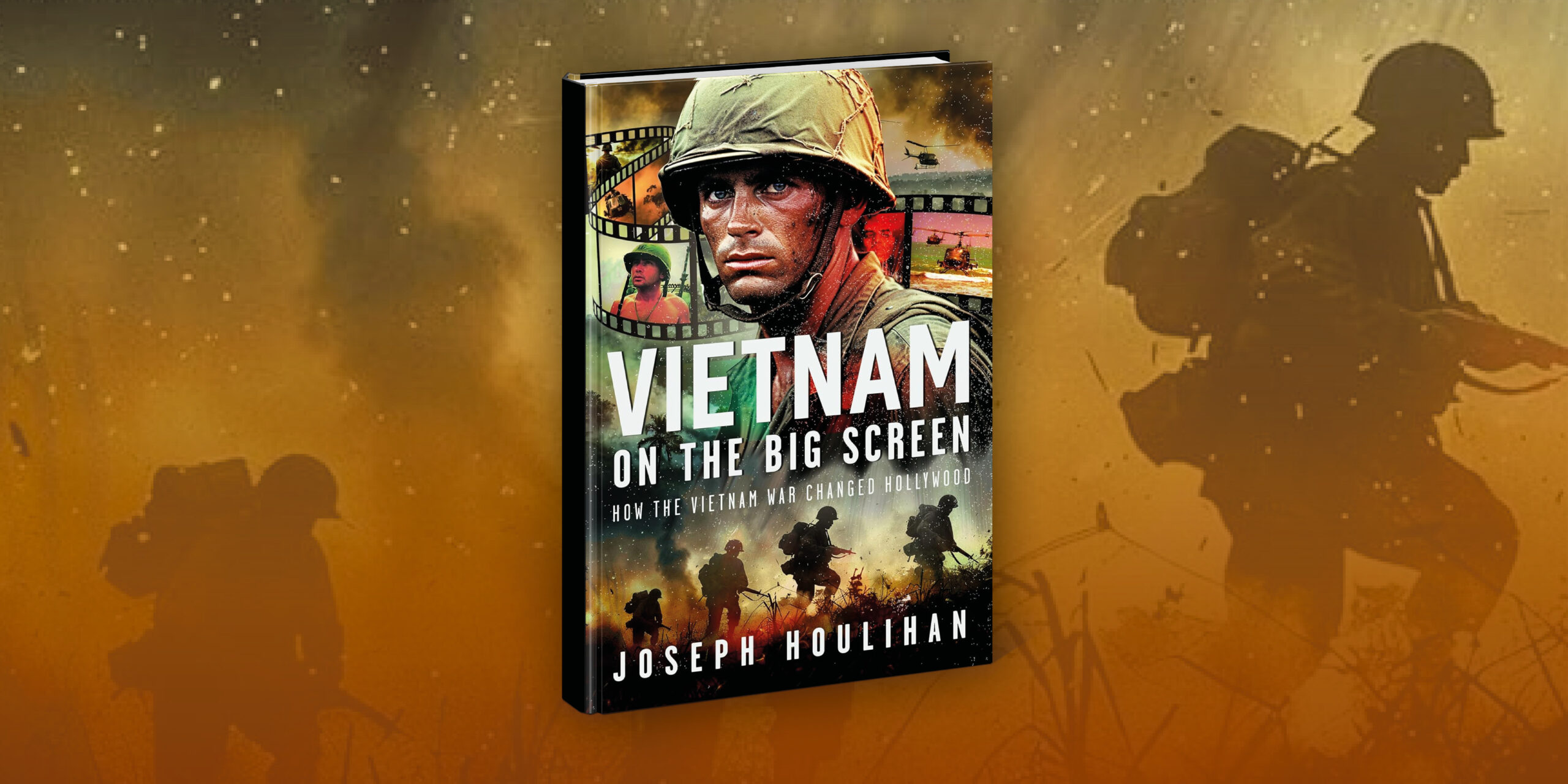
Joseph Houlihan is an award-winning journalist and television producer who has covered war zones and interviewed major historical figures. He has lived and worked in the UK, USA and Canada and is the Convenor for Military History at the Bath Royal Literary & Scientific Institution in Bath, England, where he is based.
Order Your Copy Today
[supapress 404 "Not Found"]